Гайды/Первые шаги
Necromancer: самый прощающий класс в игре
Вторая полоса здоровья вместо щита, скелеты вместо заботы о позиции и кража жизни вместо лечения. Почему именно некроманта советуют новичкам и что с ним делают элитные специализации.
На этой странице
 Reaper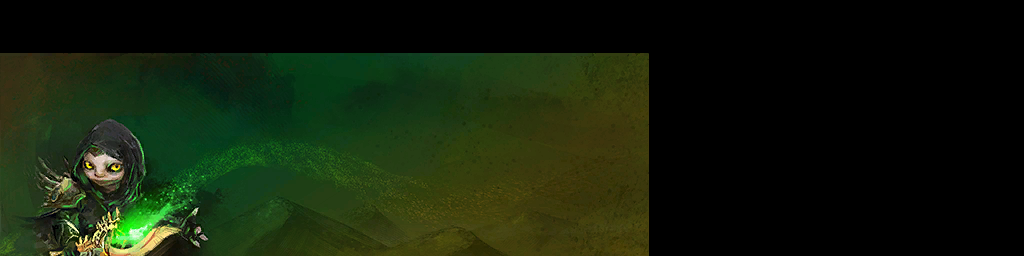
 Scourge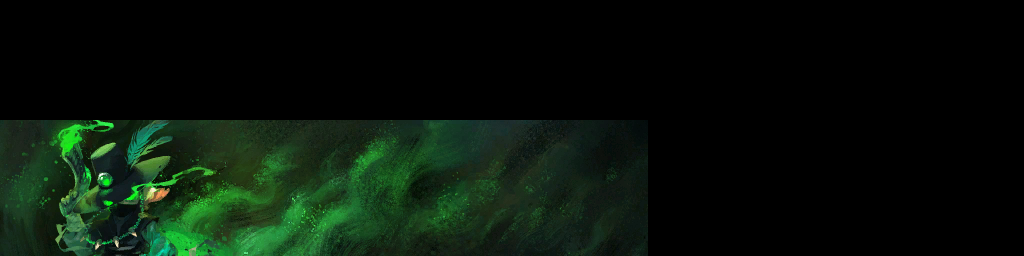
 Harbinger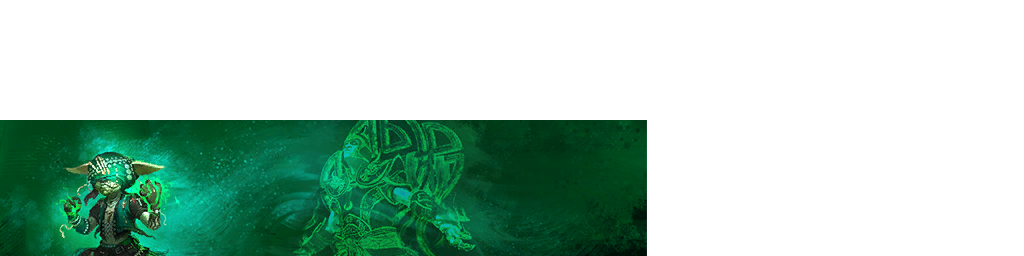
 Ritualist
Некромант носит лёгкую броню, а выживает лучше половины тяжёлых классов. Это не парадокс, а конструкция: у него больше здоровья, чем у остальных «книжников», и поверх него вторая полоса.
Если вы новичок и не хотите ложиться каждые полминуты, пока разбираетесь, — вам сюда.
Жизненная сила и Shroud
Некромант впитывает жизненную силу из смертей рядом. Гибнут враги, гибнут союзники, гибнут его собственные скелеты — всё идёт в накопитель.
Дальше включается Death Shroud: вы превращаетесь в призрачную форму, получаете отдельный набор навыков, а накопленная сила работает как здоровье.
Практически это значит, что у вас две полосы вместо одной. Ошиблись с позицией, пропустили удар — ушли в Shroud и пережили то, от чего другой лёгкий класс уже лежал бы.
Откуда берётся жизненная сила
Полоса Shroud — не фиксированное число. Её ёмкость равна 69% вашего запаса здоровья, то есть каждая единица живучести увеличивает и вторую полосу тоже. Некромант в живучем снаряжении носит почти двух полных персонажей.
Навыки наполняют её кусками: по одиннадцать-двенадцать процентов от тех, что для этого сделаны.
А ещё есть источник, в честь которого класс и назван. Любая смерть в радиусе примерно 1 200 единиц возвращает 10% максимальной жизненной силы. Враги считаются. Союзники тоже.
Перечитайте.
Некромант выигрывает ровно там, где бой идёт плохо.
Встаньте в большой бой — и полоса наполняется сама, потому что рядом что-то умирает, а игра не спрашивает, на чьей оно было стороне. Ваша группа ложится вокруг вас, а вы становитесь сильнее. Чем хуже идёт вечер, тем дольше лично вы его переживаете.
Ни одна другая профессия в Guild Wars 2 не имеет настолько откровенно упыриной механики, и в ArenaNet явно понимали, что пишут.
Это же объясняет, почему некроманты так по-разному ощущаются в зерге и в дуэли. В открытой мете на шестьдесят человек с постоянными потерями полоса Shroud фактически бесконечна, и убить вас невозможно. Наедине с одним ветераном в пустом поле рядом не умирает никто, кроме, возможно, вас, — и вторая полоса здоровья вдруг превращается в ресурс, который приходится зарабатывать по навыку.
Новички обычно сперва встречают хорошую версию, решают, что некромант прост, а потом их разбирают в первом серьёзном бою в одиночку. Эти качели нормальны. Класс не меняется; меняется количество трупов вокруг него.
Новичку это подходит лучше всего.
Прощает ошибки. Большинство классов наказывает за неправильное место в бою. Некромант даёт второй шанс, и не один.
Кража жизни. Многие навыки лечат вас во время удара. Не надо выстраивать ротацию только ради выживания.
Скелеты. Вы поднимаете нежить, и она забирает часть внимания на себя. Не такой надёжный спутник, как пет у рейнджера, зато их несколько.
Состояния вместо точности. Некромант накладывает эффекты, которые сами вредят со временем. Промахнуться по «окну для бурста» здесь не так дорого, как в классах, построенных на комбо.
Чем он силён в группе
Порча бафов. Некромант забирает у врага положительные эффекты и превращает их в отрицательные. Против противников, которые держатся на бафах, это меняет бой.
Страх. Класс известен именно этим эффектом: враг убегает вместо того, чтобы бить.
Снятие состояний с союзников. Он портит чужое и заодно чистит своё.
Элитные специализации
Все четыре перерабатывают именно Shroud — то есть сердце класса.
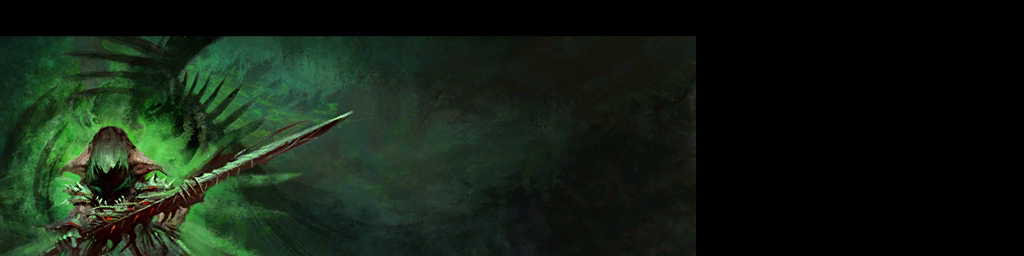
Reaper (Heart of Thorns) — меняет Death Shroud на Reaper’s Shroud для ближнего боя и добавляет крики. Это тот вариант, где вы идёте в толпу с большой косой. Самый понятный из всех.
Scourge (Path of Fire) — вместо формы Desert Shroud и песчаные тени, которые вы расставляете по полю. Вместо личного щита — зона поддержки для союзников.
Harbinger (End of Dragons) — Harbinger Shroud с накоплением Blight, который уменьшает ваше максимальное здоровье в обмен на силу. То есть вы намеренно торгуете живучестью за урон: класс, который всю жизнь прощал, начинает наказывать.
Ritualist (Visions of Eternity) — Ritualist’s Shroud с призывом духов.
Совет новичку
Играйте базовым классом до 80-го и не спешите к элитной специализации (почему так). Shroud надо почувствовать: когда в него заходить, когда выходить, сколько силы держать про запас.
Если после 80-го хочется ближнего боя — берите Reaper. Если хочется быть полезным группе — Scourge. Harbinger оставьте на потом: он снимает ту самую подушку, ради которой вы и выбрали некроманта.
Сравнение с остальными девятью — в общем разборе.
Вопросы, которые возникают
Хорош ли некромант для новичка?
Это самый прощающий класс в игре. Shroud работает как вторая полоса здоровья, многие навыки лечат вас во время удара, а скелеты забирают часть внимания на себя.
Какую элитную специализацию некроманта брать первой?
Reaper, если хочется ближнего боя, Scourge — если хочется быть полезным группе. Harbinger оставьте на потом: он снимает ту самую живучесть, ради которой вы и выбрали класс.
Почему лёгкая броня не делает некроманта хрупким?
Потому что у него больше всех базового здоровья среди книжников плюс Shroud сверху. Выживание здесь держится на уклонениях и позиции, а не на весе брони.